
What Is a Hot Desk? Everything You Need to Know
New to hot desking? This plain-English guide explains what a hot desk is, how it works, what it costs in Australia, and whether it's the right choice for your work style.

If you've been looking at coworking spaces, you've almost certainly come across the term "hot desk" — and possibly wondered exactly what it means, how it's different from a regular desk, and whether it's actually a good fit for how you work.
This guide answers all of it, in plain English. No jargon, no upsell — just a clear explanation of what hot desking is, how it works in practice, what it costs across Australia in 2026, who it suits, and where its limits are.
What Is a Hot Desk?
A hot desk is an unassigned workstation in a shared workspace that anyone can use on a first-come, first-served basis — or, increasingly, by reservation through a booking system.
Hot desking is a flexible workspace arrangement where employees or members don't have assigned desks. Instead, they choose any available workstation when they arrive at the office. The concept emerged from the idea that not everyone needs a dedicated desk every day — especially in hybrid or mobile teams.
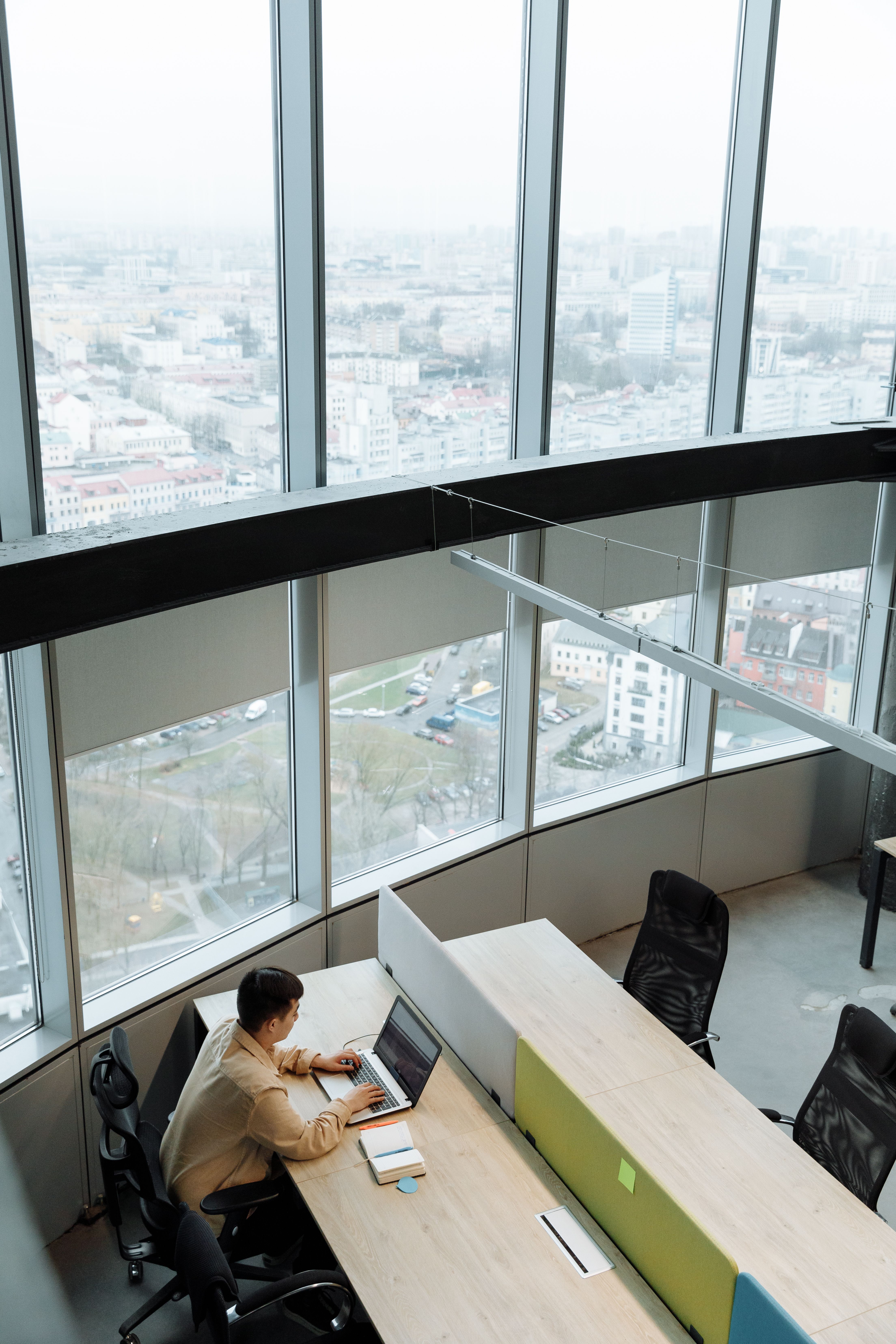
In a coworking context, hot desks sit within a shared open-plan environment. You turn up, pick a free desk, plug in, and work. When you leave, you take your belongings with you — the desk isn't yours to store anything at permanently.
The term itself has a naval origin: hot desking is said to have originated from the US Navy's practice of "hot racking" or "hot bunking" — where sailors finishing a shift would take the warm bunk of another sailor beginning theirs. The idea being that the resource is never idle — always occupied, always productive.
How Does Hot Desking Work in Practice?
In a hot desking setup, employees or members simply arrive and choose a free desk. Some spaces use online booking systems to let workers reserve a space in advance, while others operate on a first-come, first-served basis. Each desk is typically equipped with the essentials — power outlets, ergonomic chairs, and access to Wi-Fi and shared facilities. Lockers or storage units are provided for personal items, ensuring the space stays clutter-free.
At coworking spaces, your hot desk membership typically gives you access to:
- A workstation in the shared open-plan area
- High-speed Wi-Fi
- Kitchen, coffee, and communal areas
- Shared printers and scanners
- Building amenities (reception, security, end-of-trip facilities)
- Community events and networking
What it doesn't give you: a permanent spot to leave your things, a guaranteed desk at a specific location, or privacy for phone calls and sensitive conversations. For those, you'd be looking at a dedicated desk or private office.
Hot Desk vs Dedicated Desk: What's the Difference?
This is the question most people have once they understand the hot desk concept.
A dedicated desk is a fixed workspace within a coworking space assigned exclusively to you. It provides a consistent environment where you can leave your belongings and personalise the space to your liking.
The practical differences come down to permanence and price:
| Hot Desk | Dedicated Desk | |
|---|---|---|
| Assigned spot | No — first come, first served | Yes — yours every day |
| Leave belongings | No | Yes |
| Access hours | Typically business hours | Usually 24/7 |
| Cost | Lower | Higher (typically 30–50% more) |
| Best for | Occasional users, flexible workers | Regular users who want consistency |
What Does a Hot Desk Cost in Australia in 2026?
Hot desks are available at three pricing models: by the hour, by the day (day pass), and by the month (membership).By the hour: Available at some operators for ad-hoc use. Rates vary significantly by city and operator — Sydney averages around $38/hour at major coworking spaces.
Day pass: The most flexible entry point. A one-off daily rate with no commitment, typically including Wi-Fi, kitchen access, and use of communal areas during business hours.
Monthly membership: The most common arrangement for regular users. Gives you a set number of days per month (or unlimited access) at a flat monthly rate.
Current hot desk pricing across Australia (2026):
| City | Day Pass (from) | Monthly Membership (from) |
|---|---|---|
| Sydney CBD | $44–$59/day | $500–$850/month |
| Melbourne CBD | $25–$59/day | $340–$600/month |
| Brisbane | $28–$50/day | $350–$500/month |
| Perth | $30–$50/day | $300–$500/month |
| Adelaide | $25–$45/day | $300–$450/month |
| Canberra | $30–$45/day | $280–$400/month |
The national median for a hot desk monthly membership sits at around $479/person/month according to Rubberdesk's Q4 2025 national market data — making it significantly more affordable than a dedicated desk (median $600–$800/month) or private office (median $683/desk/month).
Moving from traditional cubicles and private offices to a hot desking open-plan setup can lower employee overhead costs, cutting space requirements in half and freeing up resources — which can further reduce capital and operational costs that can be put to better use. This can help companies save as much as 30% on the costs of running an office, which in some parts of Australia can amount to thousands of dollars per month.

Who Is a Hot Desk Best Suited For?
Hot desking attracts startups, SMEs, freelancers, entrepreneurs, remote workers, consultants, small businesses, and some larger organisations that favour the flexibility of working outside a traditional office setup.
More specifically, hot desks work best for:
Freelancers and sole traders who need a professional environment a few days a week but can't justify a full-time desk. The day pass model is particularly valuable — you pay only when you actually use the space.
Remote workers on hybrid schedules who split time between home and office and need a consistent professional base on their office days without committing to a permanent desk.
People new to a city or suburb who want to trial different locations and communities before committing to a longer-term arrangement.
Startups in early stages where headcount is uncertain and the ability to scale up or down quickly matters more than having a settled, permanent workspace.
Corporate team members using flex space as a satellite office closer to home — a trend that has grown significantly since 2022 as enterprise adoption of flexible workspace has accelerated.
When a Hot Desk Isn't the Right Choice
Hot desking has genuine limitations, and understanding them upfront saves frustration later.
Businesses that may not suit a hot desking environment include those that require a lot of privacy for confidential discussions and sensitive information — such as law offices, medical practices, and mortgage brokers. While some hot desking office spaces offer private meeting rooms, ensuring constant and complete privacy throughout the day can be challenging.
Beyond privacy, there are a few practical scenarios where a hot desk falls short:
You work five days a week and need to feel settled. The daily ritual of finding a desk, unpacking, repacking, and finding a desk again loses its novelty quickly for full-time workers. A dedicated desk adds meaningful quality of life for frequent users.
You have a lot of equipment. Dual monitors, specialist hardware, or professional peripherals are impractical to carry to a hot desk daily. Dedicated desks and private offices allow you to set up and leave your kit in place.
Your team needs to sit together. Hot desks are unassigned — there's no guarantee your team members will find adjacent desks on a busy day. For collaborative team work, a private office or dedicated desk cluster is more reliable.
You handle sensitive client data. Open-plan environments with shared networks aren't appropriate for businesses with strict data security or compliance requirements. Always ask operators about VLAN options and network security before assuming a shared environment will meet your obligations.
Is Hot Desking Growing or Declining?
The broader picture is nuanced. Hot desks remain the most accessible and widely used entry point to coworking — but there is a measurable shift toward more structured, private arrangements as the market matures.
By 2025, 80% of coworking allocations globally prioritised private offices over open seating, signalling that hot desking only works when implemented thoughtfully. The model is evolving: reservation-based hoteling is replacing chaotic first-come, first-served setups as the preferred approach.
In Australia, adoption of hotdesking is propelled by the surge in hybrid working models, blurring the lines between office, home, and remote coworking spaces. Smart booking systems and mobile apps are pivotal, allowing employees to reserve desks or rooms in advance, view real-time availability, and choose locations that fit their workflow.
The takeaway: hot desks aren't going away — but the best implementations are moving toward app-based reservation systems rather than purely walk-in models. When you're evaluating a space, ask whether you can reserve your desk in advance. For frequent users especially, guaranteed availability is worth more than marginal cost savings from a purely drop-in arrangement.
Hot Desk Tips: Getting the Most From Your Membership
Trial before committing. Most operators offer day passes before you sign up for a monthly membership. Use one on a typical working day — not a quiet Monday — to assess noise levels, Wi-Fi reliability, and whether the community is a fit.
Ask about peak hours. In busy CBD locations, hot desks fill up between 9am and 2pm. If you need a desk reliably at 9am on a Tuesday, a space with a booking system is more reliable than one that's first-come-first-served.
Invest in a good bag setup. The daily pack-in/pack-out rhythm of hot desking is much easier with a well-organised bag — cables, adapters, and essentials pre-packed so you're set up in two minutes, not twenty.
Use the community. The cross-industry mix of a good coworking space is one of its strongest advantages over a home office. Most operators run regular events — make use of them, especially in the first few months.
Know your upgrade path. If you find yourself in the space four or more days a week, run the maths on a dedicated desk. The premium is often smaller than people expect, and the quality-of-life improvement is significant.
Ready to Find a Hot Desk Near You?
Hot desks are available across every major city and region in Australia — from premium CBD coworking spaces in Sydney and Melbourne to regional hubs in the Sunshine Coast, Gold Coast, and beyond.
Browse hot desks across Australia on OfficeFlexFinder — filter by city, price, and amenities to find the right space for your working style and budget. All listings include verified pricing and day pass availability.
You can also explore:
- How much does coworking cost in Australia in 2026?
- Best coworking spaces in Sydney CBD
- Best flexible offices in Melbourne CBD
- How to find and book flexible office space: step-by-step
Pricing data sourced from Rubberdesk Q4 2025 National Flexible Office Price Guide and operator websites. Research references include: Workspace365 Hot Desking Guide (October 2025); Serviced Office International Hot Desking Advantages and Disadvantages (October 2025); Deskimo Australia's Hotdesking Revolution 2025 (July 2025); Gable.to Hot Desking Definition, Benefits, and Best Practices 2026. All prices exclude GST and are indicative as at April 2026.
About OfficeFlexFinder: We help Australian businesses, freelancers, and remote workers find and compare flexible office space — from hot desks to private offices and serviced suites — across every major city and region in Australia.
Arthur Truong
Content Editor
Office space specialist helping businesses find their perfect workspace.
