
Why Creative and Tech Teams Are Choosing Surry Hills Over the CBD
Creative and tech businesses are increasingly choosing Surry Hills over Sydney's CBD. Here's the data and the real reasons behind the shift.
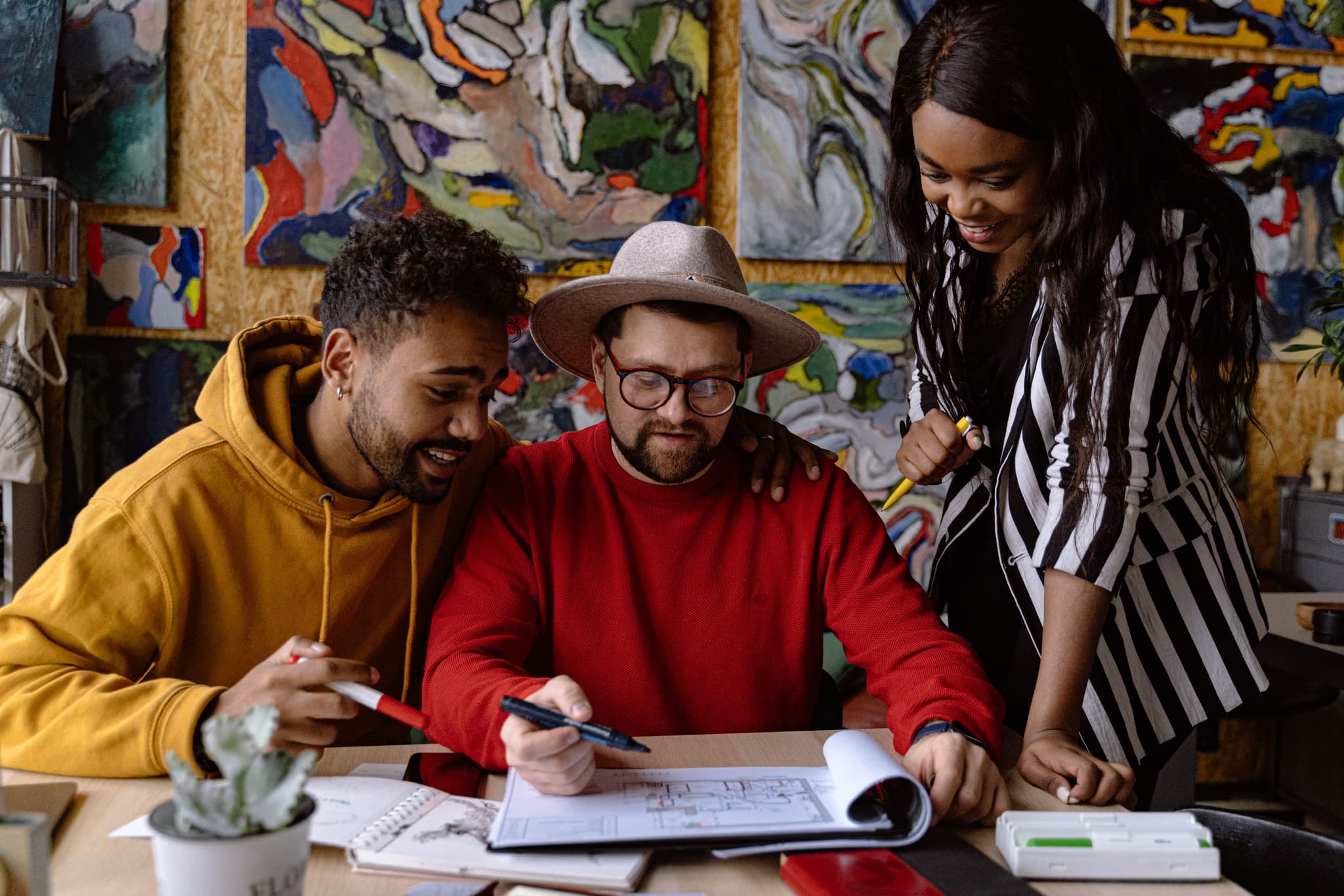
Something has quietly shifted in Sydney's inner-city office market over the past two years. Creative agencies, technology startups and scale-ups that once defaulted to the CBD are increasingly choosing Surry Hills instead — not reluctantly, as a cost-cutting measure, but deliberately, as a location that suits how they actually work.
This isn't purely about desk rates, though the roughly 27% median saving over the CBD is real. It's about something harder to put in a spreadsheet: the kind of business community a suburb cultivates, and what that means for talent, culture and the day-to-day experience of the people sitting inside those buildings.
Tech Central Has Made Surry Hills a National Innovation Address
The single biggest structural factor driving Surry Hills' rise as a tech and creative location isn't a coworking building — it's government investment in the surrounding precinct.Tech Central, the six-square-kilometre innovation district anchored around Central Station and straddling Surry Hills, Haymarket, Ultimo, Camperdown, Darlington and Eveleigh, is now home to the highest concentration of technology businesses anywhere in Australia. Its tenant roster includes Atlassian, Block (Afterpay), Canva, Safety Culture and Rokt, alongside 150 research institutes and two world-leading universities. The precinct hosts 35% of Australia's entire tech workforce — a concentration that has no equivalent anywhere else in the country.
The NSW Government has backed this with more than $38.5 million in the 2025–26 state budget allocated specifically to support Tech Central's innovation infrastructure. The precinct is projected to underpin a $42 billion economy employing close to 100,000 people. Atlassian's 40-storey headquarters near Central Station completed in 2026; the Sydney Startup Hub relocated into the heart of Tech Central in October 2025. These aren't planning aspirations — they're completed facts on the ground.
What this means for a business choosing a Surry Hills address: you're not just choosing a suburb 2km from the CBD. You're situating your business within the Surry Hills Innovation Quarter — a 40-hectare precinct with Canva's headquarters as a cornerstone, where design studios and digital ventures thrive within heritage streetscapes. That's a different kind of address signal to any CBD tower postcode.
The Talent Signal Is Shifting
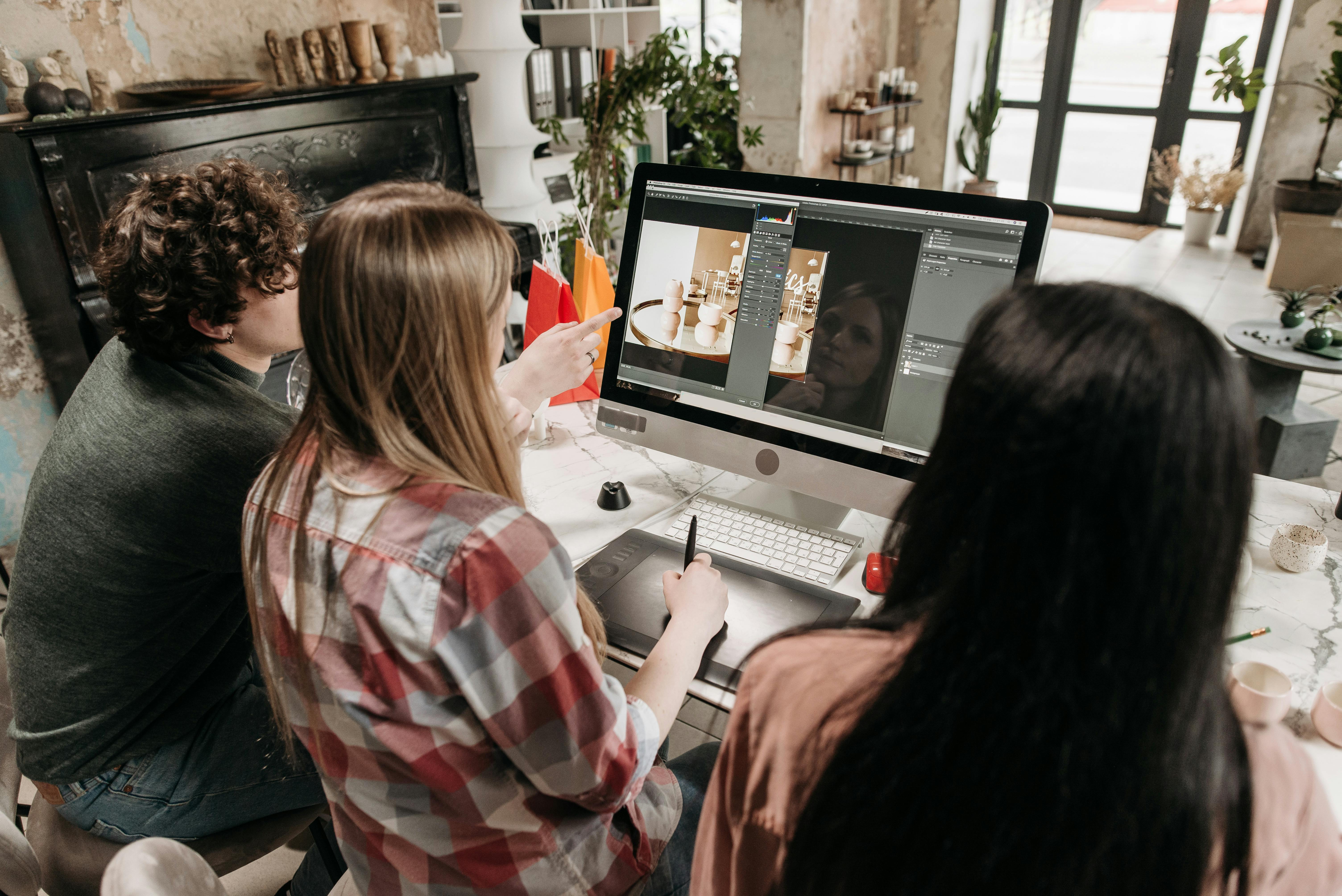
Location choice is partly a talent acquisition decision, and Surry Hills is increasingly the location that creative and tech talent associates with the kind of business they want to work for.This is partly cultural and partly practical. The suburb's warehouse conversions, heritage terraces, Crown Street café strip and proximity to Redfern and Chippendale's arts communities create a working environment that reads as considered — the kind of business that chose its space deliberately rather than defaulting to a corporate tower because it was the obvious choice.
For creative and tech professionals — who are more mobile and more selective about their working environment than most other sectors — that signal matters. The concentration of Canva, Afterpay and Safety Culture in the Surry Hills/Tech Central corridor has made it one of the most recognisable tech addresses in the country, and proximity to those businesses has become a genuine draw for the talent pipeline those firms develop and sometimes release into the broader market.
The rise of suburban coworking nationally has accelerated this dynamic — as more businesses demonstrate that quality workspace doesn't require a CBD address, the stigma once attached to non-CBD locations has largely dissolved for inner-city precincts with Surry Hills' profile.
The Workspace Character Suits Creative and Tech Work Differently
The practical differences between a Surry Hills warehouse conversion and a CBD glass tower aren't just aesthetic. They affect how work actually happens.Open floor plates with natural light support the kind of large-screen visual work that design and development teams do daily. Creative review sessions, wall-mounted concept presentations and side-by-side collaborative working all benefit from space that doesn't feel artificially compressed.
Community events and industry programming in Surry Hills buildings are disproportionately oriented toward creative and tech industries — portfolio reviews, design critiques, product demo nights and founder networking are common fare in the suburb's major coworking buildings, reflecting the tenant base they attract.
The absence of CBD corporate formality matters to firms whose own clients are creative businesses or tech companies. Walking a client from a design agency or startup into a warehouse-converted space with Eames furniture and exposed brick reads differently than walking them into a standard serviced office floor — and for many creative firms, that difference reinforces rather than undermines their brand positioning.

The Cost Gap Is Real, and It Compounds
The numbers bear repeating in this context, because they're large enough to matter even for businesses that aren't primarily motivated by cost.As of Q1 2026, Surry Hills carries a median desk rate of $750 per person per month against the Sydney CBD's $1,024. For a 10-person creative team on a 12-month term, that gap represents roughly $33,000 per year — money that can fund a senior hire, a major client pitch, or simply extend runway.
Unlike the CBD, where the premium buys a broadly similar product across most buildings (glass, aircon, reception), the premium in Surry Hills is more differentiated. The best buildings in the suburb — like The Office Space at Paramount on Commonwealth Street — offer architectural quality and a design standard that the equivalent CBD spend often can't match. You're spending less and getting something more distinctive.
Flexible Workspace Australia's View on the Creative Precinct Shift
Flexible Workspace Australia, the industry body representing the flexible office sector, has consistently documented the shift of creative and tech tenants toward inner-city fringe precincts as part of a broader decentralisation from CBD cores. This pattern is visible in Sydney's data as much as anywhere: the growth of Surry Hills' operator base from a handful of spaces to 24-plus operators across 23-plus buildings reflects demand that wasn't there a decade ago, driven primarily by creative and tech sector growth in the Tech Central corridor.The flexible workspace trends visible nationally — operators investing in design-led, community-driven spaces rather than standardised desk inventory — have found their most concentrated expression in precincts like Surry Hills precisely because the tenant base there demands it.
Real-World Example
A 12-person digital product studio relocated from a mid-tier CBD serviced office to a private office in a Surry Hills warehouse conversion in 2025. Their reasons, in order: the workspace aesthetic aligned with their client pitch materials (they work with consumer brands who visit for workshops); the building's tenant community included two potential referral partners they hadn't previously met; and the per-desk saving over 12 months covered the cost of a junior designer hire they'd been unable to justify at CBD rates. The CBD office had offered none of these in exchange for its premium.
What This Means for Your Business
The shift toward Surry Hills among creative and tech businesses isn't a trend that's about to reverse — the government investment in Tech Central, the anchor tenants in place, and the operator depth that's built up over the past decade all point the same direction.If your business is in creative, tech or media, Surry Hills now offers something genuinely differentiated from the CBD: a recognisable innovation address, a tenant community concentrated in your sector, workspace character that suits your client profile, and a meaningful cost saving — all at the same time.
If you're still defaulting to the CBD out of habit, it's worth asking whether the CBD premium is buying you something specific — client proximity, transit coverage, sector networking — or whether you're paying for a default assumption that no longer holds for your industry.
If you're weighing the two locations more carefully, the Surry Hills office space cost breakdown covers the numbers specifically, and the best coworking spaces in Surry Hills guide covers the buildings worth shortlisting.

Explore Coworking Space in Surry Hills
Whether you're making the move from the CBD or comparing Surry Hills for the first time, the next step is seeing what's actually available right now.Browse coworking space in Surry Hills on OfficeFlexFinder — with verified pricing and transparent inclusions across every major building in the precinct.
You can also explore:
- Best coworking spaces in Surry Hills 2026
- Surry Hills office space cost in 2026: what you'll actually pay
- Coworking for freelance designers and creatives: what to actually look for in Surry Hills
- Coworking space in Sydney CBD
- Private office vs open coworking: which boosts productivity?
- The rise of suburban coworking: why businesses are relocating
- Flexible workspace trends: what operators are building in 2026
About OfficeFlexFinder: We help Australian businesses, freelancers, and remote workers find and compare flexible office space — from hot desks to private offices and serviced suites — across every major city and region in Australia.
Arthur Truong
Content Editor
Office space specialist helping businesses find their perfect workspace.
