
Hybrid Work in 2026: What Office Do Hybrid Teams Actually Need?
Hybrid work is permanent. But what does the office actually need to do for a hybrid team in 2026? This guide cuts through the theory with practical answers for Australian businesses.

Hybrid work is no longer an experiment or a concession. In Australia, 83% of employees now believe hybrid arrangements represent the optimal model for the future — and the organisations that have embraced this reality are out-competing those still debating it on talent attraction, retention, and cost efficiency.
But there's a question underneath the "hybrid is the future" consensus that most businesses haven't answered precisely enough: what does the office actually need to do for a hybrid team? Not what it should look like. Not how many square metres you should allocate per person. What specific functions does a physical office need to perform in 2026 to justify the commute, the cost, and the ongoing commitment to maintaining it?
This article answers that question with the specificity it deserves.
The Starting Point: The Office Has a New Job Description
The office of 2026 should support collaboration, innovation, and connections — not serve as a default daily workspace. That framing shift is not rhetorical. It has concrete implications for what kind of space a hybrid team needs, and what's wasted money.The CBRE Australian Occupier Survey 2025 gives us the empirical baseline: average office use across Australia sits at 52% overall, rising to 67% on the busiest days — consistently Tuesday through Thursday. The office is operating at roughly two-thirds capacity on its best days and half-capacity on average. Any office design that assumes full utilisation is misallocating capital from the outset.
The implication: space per desk should decrease, and investment per square metre of purposeful space should increase. Fewer desks, better meeting infrastructure, more acoustic provision, and smarter amenity. That's the trade that characterises high-performing hybrid offices in Australia in 2026.
What Hybrid Teams Actually Use the Office For
Before designing or choosing a space, it's worth being precise about the functions your team actually uses the office to perform — rather than defaulting to generic "collaboration."Research from The Executive Centre identifies a consistent pattern across high-performing hybrid teams: private focused work, technology-enabled team meetings, and unstructured social connection are the three primary use cases that pull people into an office voluntarily. Critically, none of these require the same kind of space.
Intentional collaboration. The hybrid office pull isn't random attendance — it's coordinated presence for specific purposes. Teams coordinate in-office days around workshops, planning sessions, onboarding, client meetings, and whole-team alignment. These use cases require meeting rooms and collaboration infrastructure, not rows of hot desks.
Deep focus work. A significant portion of the workforce still finds the office more productive than home for focused, individual work — particularly those in smaller homes, with children, or in shared living situations. These members need quiet desk space with reliable connectivity, acoustic separation, and minimal distraction.
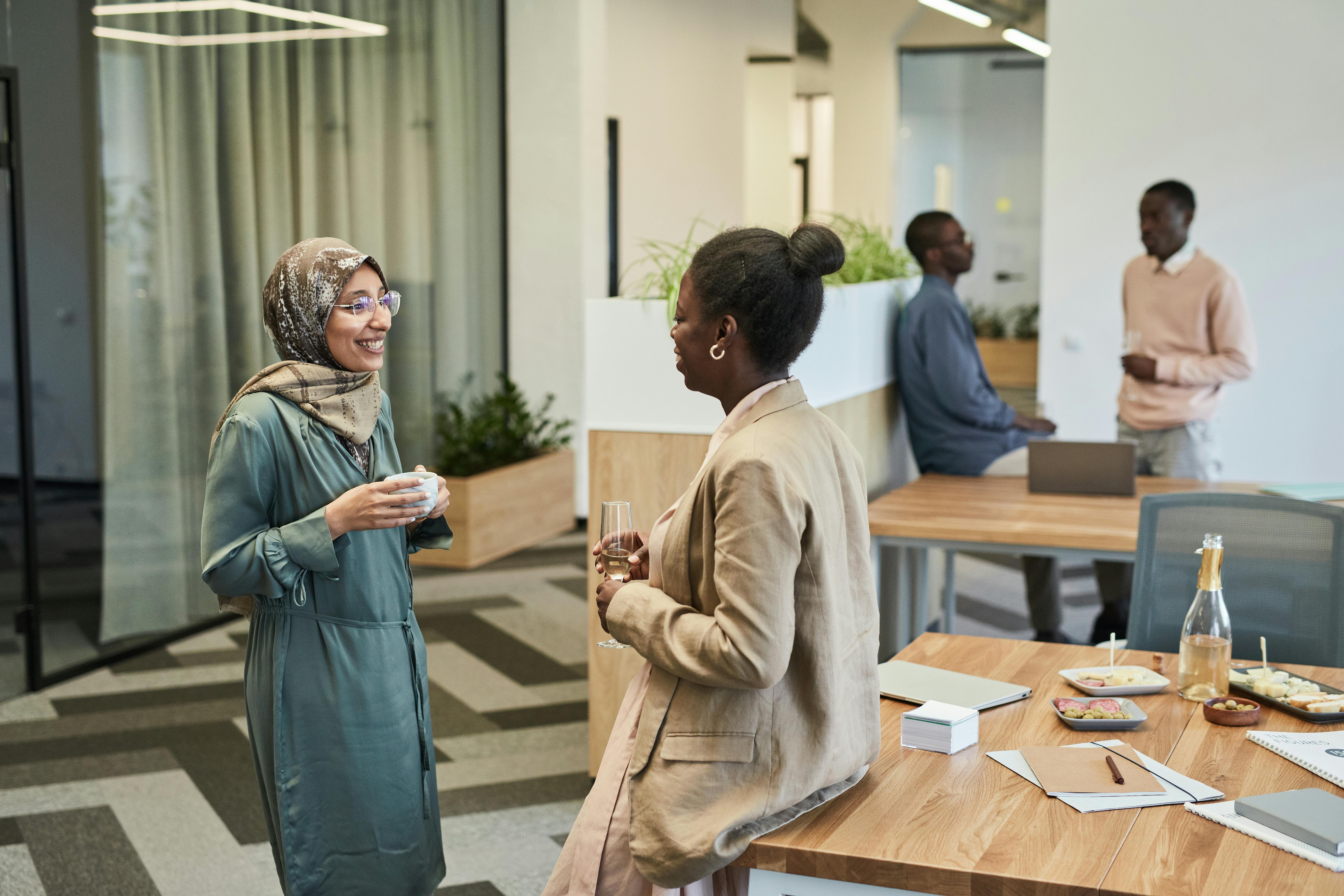
Social connection and culture maintenance. Informal connection — the conversations that happen at the kitchen bench, in the lift, over lunch — remains one of the most cited reasons employees voluntarily come to the office. It cannot be scheduled, but it can be designed for. Lounge-style areas, shared kitchen spaces, and casual breakout zones support this function.
A hybrid office that serves all three use cases requires a very different spatial mix than the traditional open-plan desk-heavy layout — and it's why the type of flexible office you choose matters as much as the number of desks.
The Five Specific Things a Hybrid Office Must Get Right in 2026
1. Acoustic Infrastructure — The Most Underestimated Priority
Noise tops complaints in Australian hybrid offices in 2026, and it's the factor most consistently identified as the deal-breaker that drives employees back home on days they intended to be in the office.The hybrid office acoustic challenge is structurally different from the pre-pandemic version. In 2026, a meaningful percentage of on-site employees are on video calls for significant portions of their working day — often with remote colleagues who can't see (and are therefore distracted by) background noise. An open-plan desk area that was merely loud in 2019 is functionally unusable for hybrid collaboration in 2026.
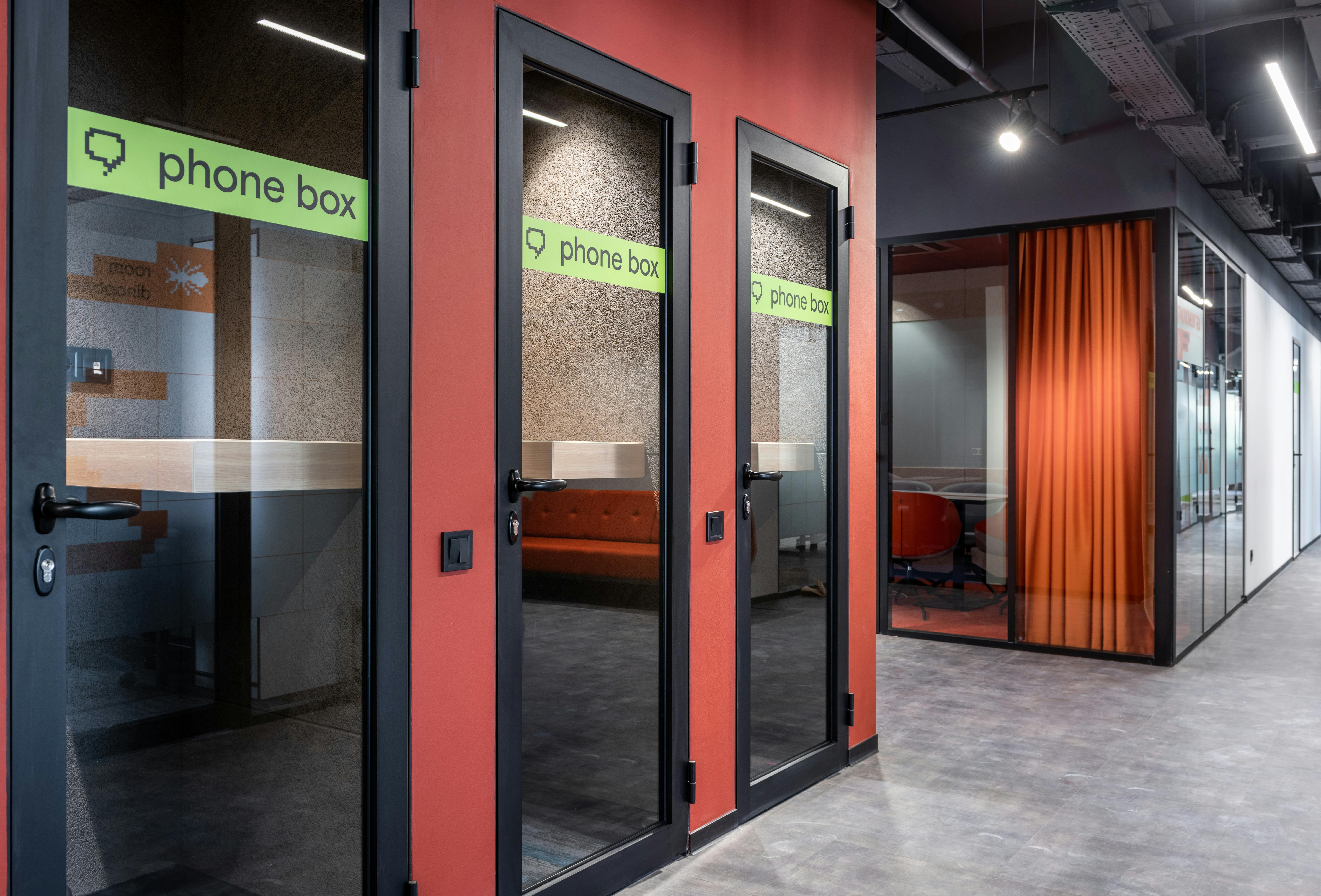
Effective acoustic provision in 2026 requires more than a "quiet zone" sign. The leading approach combines acoustic-grade phone booths (with measurable speech privacy performance, not just soft furnishings), acoustic panels and pods distributed through the open-plan area, and meeting rooms designed for hybrid participation with proper soundproofing. Focus Pod-style furniture and full enclosure pods from operators like Framery are being installed across Australian offices specifically because they slash distractions without requiring structural rebuilds.
For businesses evaluating coworking spaces, the acoustic audit on tour is one of the highest-value assessments you can do. Count the phone booths relative to member count. Test one with an actual call. Assess the open-plan noise at 11am on a busy Wednesday, not during a quiet Friday tour.
2. Hybrid-Ready Meeting Rooms — More Small, Fewer Large
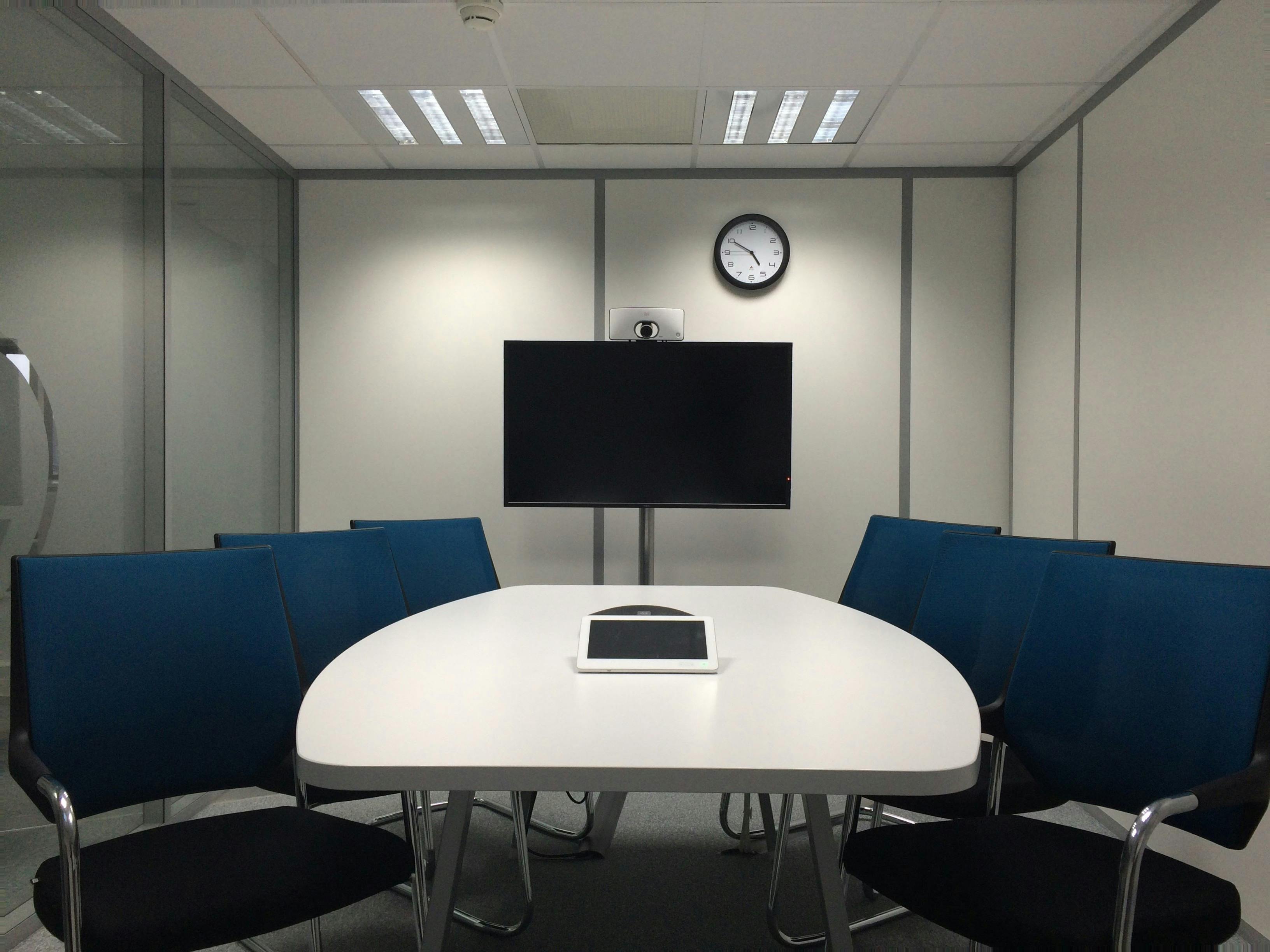
The traditional conference room-heavy office layout is becoming obsolete. The demand has shifted decisively toward smaller, more numerous meeting rooms — 2–4 person huddle rooms and video-enabled booths rather than 12-person boardrooms.85% of leaders say hybrid work makes it harder to maintain team alignment — underlining the importance of meeting spaces with reliable video, audio, and shared collaboration tools. But the key word is "reliable." Meeting rooms that require 10 minutes of AV troubleshooting at the start of every call are not functional hybrid infrastructure. The standard to aim for: employees enter the room, tap a button, and their meeting is running within 30 seconds. Zero-friction deployment.
For businesses using flexible offices, this translates to a specific evaluation criterion: how many meeting rooms does the space have, what sizes, and how is AV maintained? A coworking space with six 12-person boardrooms and no 2-person video pods is poorly configured for how hybrid teams actually meet in 2026.
The optimal ratio for most hybrid teams: the majority of your booked meeting time should happen in rooms of 4 people or fewer. If your current meeting room inventory doesn't reflect that, the rooms are poorly matched to how your team works.
3. Activity-Based Zoning — Spaces Matched to Work Modes
Activity-based working has graduated from a design trend to an operational standard. The underlying logic: hybrid teams need different environments at different points in the day, and the office should accommodate that movement rather than forcing everyone into a single mode.A well-designed hybrid office provides:
- Focus zones — quiet desks or enclosed work pods for deep individual work
- Collaboration zones — open, flexible areas for team working and brainstorming
- Social zones — kitchen, lounge, and casual seating areas for informal connection
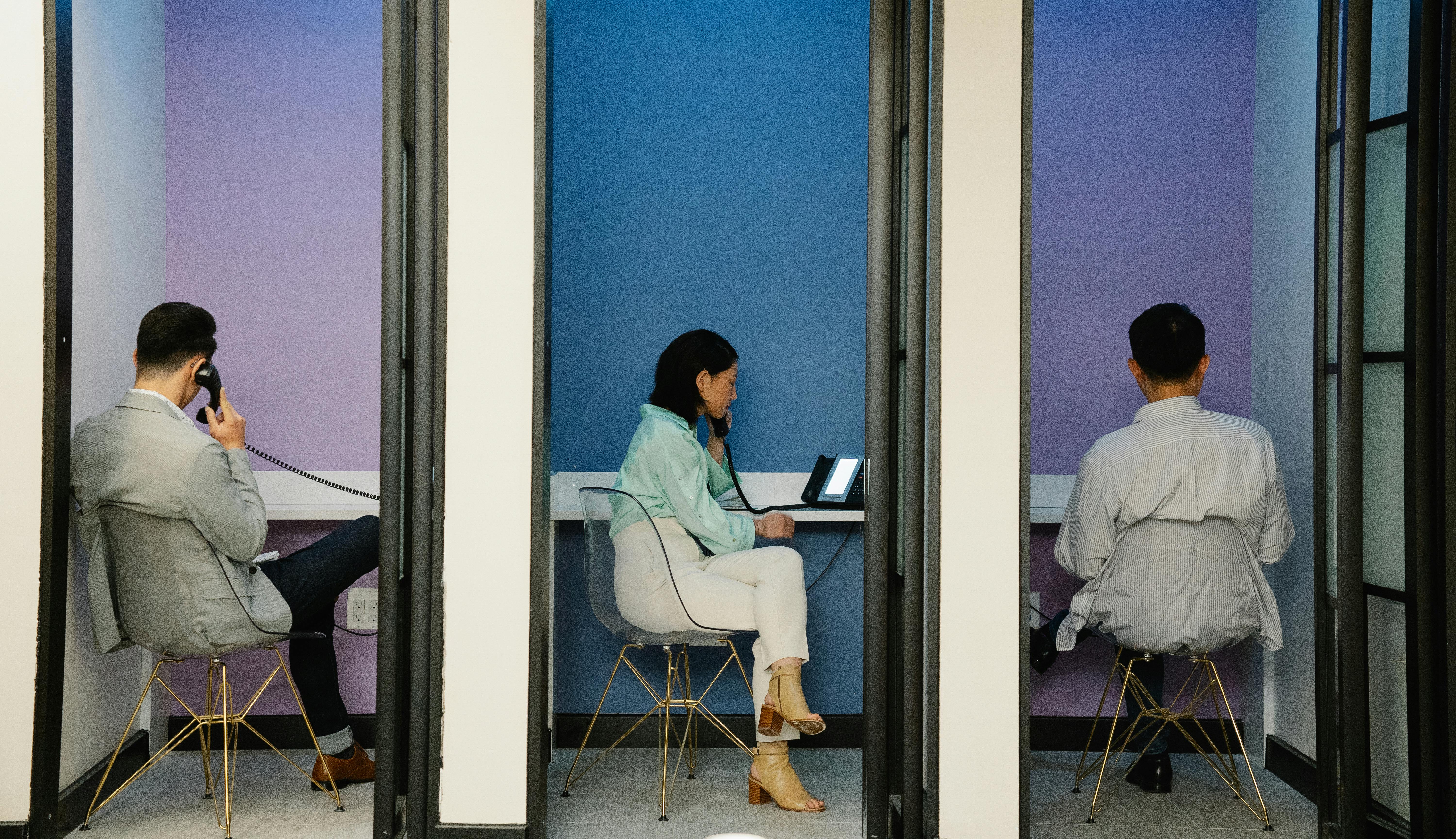
- Call/video zones — phone booths and enclosed spaces for one-on-one calls and video meetings
4. Technology Integration — Desk Booking and Space Analytics
A hybrid office without booking technology creates a specific kind of friction that drives employees away: arriving to find no available desk, or no available meeting room, on a day they came specifically to use the space.Desk booking systems and app-based room reservation have moved from innovation to baseline expectation in well-run flexible offices. The best implementations allow team members to see real-time availability, choose their location, and coordinate with colleagues to ensure they're working near their team on shared in-office days — which is the entire point.
Forward-thinking Australian organisations are also beginning to use space utilisation data — occupancy sensors and booking analytics — to understand actual usage patterns and adjust their space mix accordingly. 90% of organisations currently use badge swipe data to measure attendance, which tells you whether people came to the office, not what they did when they got there. Usage-pattern data gives a much richer picture of which rooms are overbooked, which desks are never used on Mondays, and where to invest the next capital cycle.
For businesses choosing a flexible office, ask whether the operator provides desk booking technology and usage reporting. The spaces that do are investing in the infrastructure that makes hybrid offices operationally functional rather than just physically present.
5. Flexible Tenure — Matching Commitment to Uncertainty
The final dimension isn't spatial — it's contractual. The right hybrid office in 2026 needs to be flexible in its terms, not just its layout.Desk sharing ratios of 1.3 to 1.6 people per desk are now typical in Sydney hybrid offices. Flexible workspace now averages 15.5% of occupier portfolios in Australia, up from 7.2% in 2022. That growth reflects a fundamental shift: businesses are choosing short-term, scalable commitments over long-term fixed leases because hybrid attendance patterns remain genuinely variable and headcount projections are less reliable than they were in the traditional office era.
The practical consequence: a 3-year lease for 100 desks made sense in 2018 when 100 people came in five days a week. In 2026, a flexible agreement for 60 desks on month-to-month terms — with the ability to add capacity when the team grows or contract when it shrinks — is the arrangement that actually matches how hybrid teams operate.
What This Means for Choosing Your Flexible Office
The five dimensions above give you a precise brief to evaluate any coworking space or flexible office against — not just the desk count and location, but whether the space is actually designed to support the way hybrid teams work in 2026.The evaluation questions that follow from this:
- Does the space have enough acoustic booths for your expected call volume? (Count them; ratio to members matters.)
- Are meeting rooms sized for hybrid participation — 2–4 person video rooms in meaningful quantity?
- Can your team move between focus, collaboration, and social modes within the space without friction?
- Is there desk booking technology, and does it support team coordination (not just individual reservation)?
- Is the agreement flexible enough to scale up or down as your team's attendance patterns evolve?
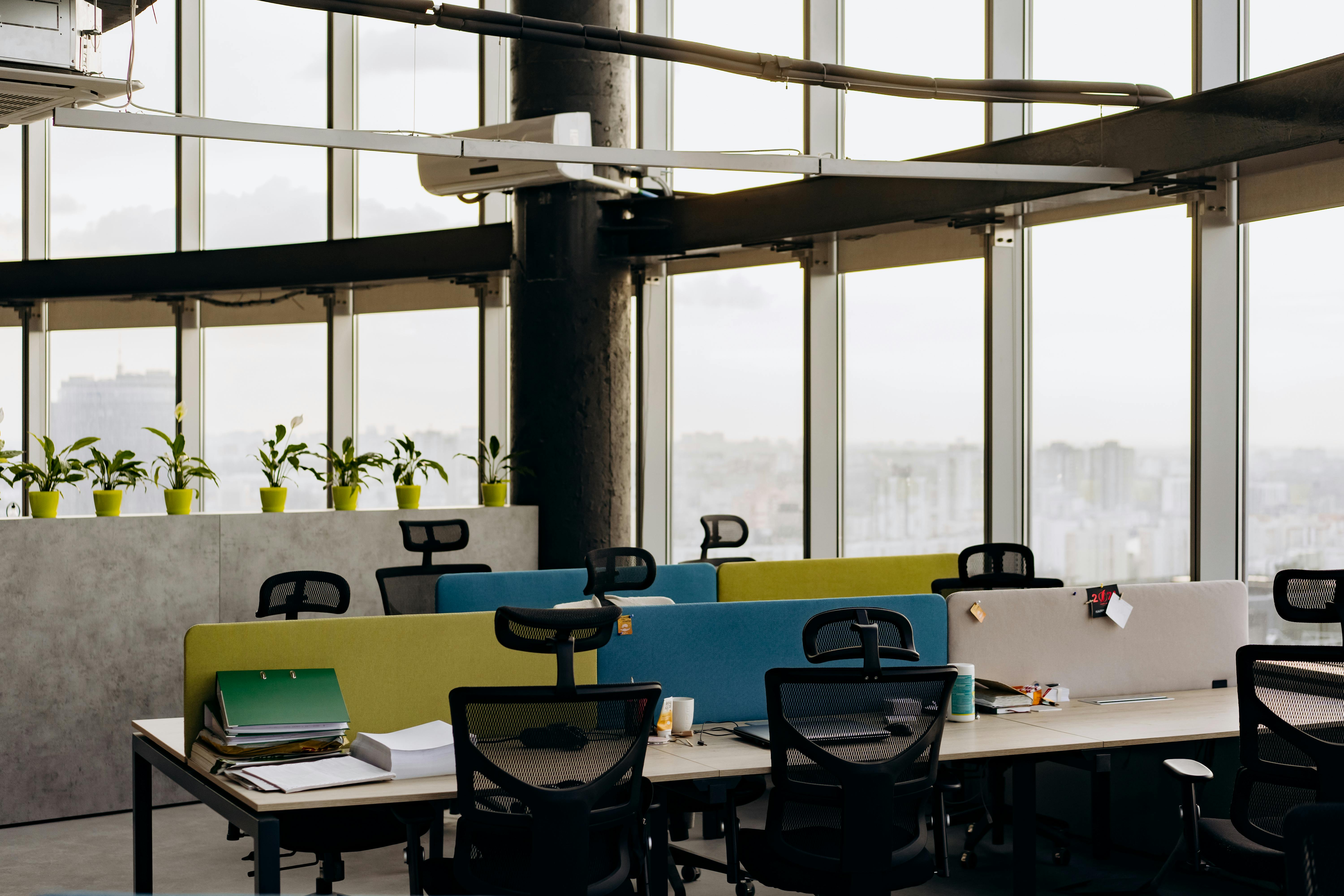
The Space Type Question: What Hybrid Teams Usually Need
Most hybrid teams in Australia fall into one of three workspace profiles in 2026:The distributed team (fewer than 10 people, 2–3 office days per week): Hot desk memberships at a well-equipped coworking space, with meeting room credits for collaborative sessions. A private office is usually unnecessary and overpriced for this use case at low-frequency attendance.
The growing SME (10–30 people, 3 days per week average): A small private office suite within a coworking building, paired with shared hot desks for overflow and meeting room access. The private suite provides team identity and acoustic privacy; the coworking membership handles variability.
The enterprise team (30+ people, structured hybrid policy): A managed suite or serviced office with dedicated meeting infrastructure, possibly supplemented by suburban satellite coworking memberships for team members who don't commute to the primary location. The hub-and-spoke model is gaining significant traction at this scale.
Ready to Find a Space That Actually Fits How Your Team Works?
Australia's flexible office market in 2026 has spaces configured for every hybrid model — from individual hot desks to enterprise suites with full meeting infrastructure. The key is matching the space type, acoustic provision, and tenure terms to how your team actually uses an office, rather than defaulting to the same model that worked before hybrid became the norm.Browse coworking and flexible office space across Australia on OfficeFlexFinder — filter by city, desk type, team size, and amenities to shortlist options that fit your hybrid model.
You can also explore:
- How many desks does your team actually need?
- Serviced office vs coworking: which is right for your team?
- Why enterprise teams are switching to flex space in 2026
- What to look for on a coworking space tour: checklist
- The state of flexible office space in Australia: 2026 report
About OfficeFlexFinder: We help Australian businesses, freelancers, and remote workers find and compare flexible office space — from hot desks to private offices and serviced suites — across every major city and region in Australia.
Arthur Truong
Content Editor
Office space specialist helping businesses find their perfect workspace.
