
Is the Suburban Coworking Boom Real, or Just Cheaper CBD Space? We Checked the Numbers
Everyone says suburban coworking is booming. We tested that claim against Rubberdesk, Cushman & Wakefield and Colliers data. The answer is more complicated than it looks.

The suburban coworking boom has become one of the most repeated narratives in Australian commercial property. Businesses are leaving the CBD. Workers want to work closer to home. Suburban precincts are growing. Operators are opening new spaces in inner suburbs. The story is everywhere.
We decided to test it against the data — specifically, whether what's happening in suburban flexible office markets reflects genuine structural migration away from CBDs, or whether it's a more complicated picture that the simple narrative papers over.
The answer turns out to be both, with an important caveat that most coverage misses.
What the Narrative Gets Right
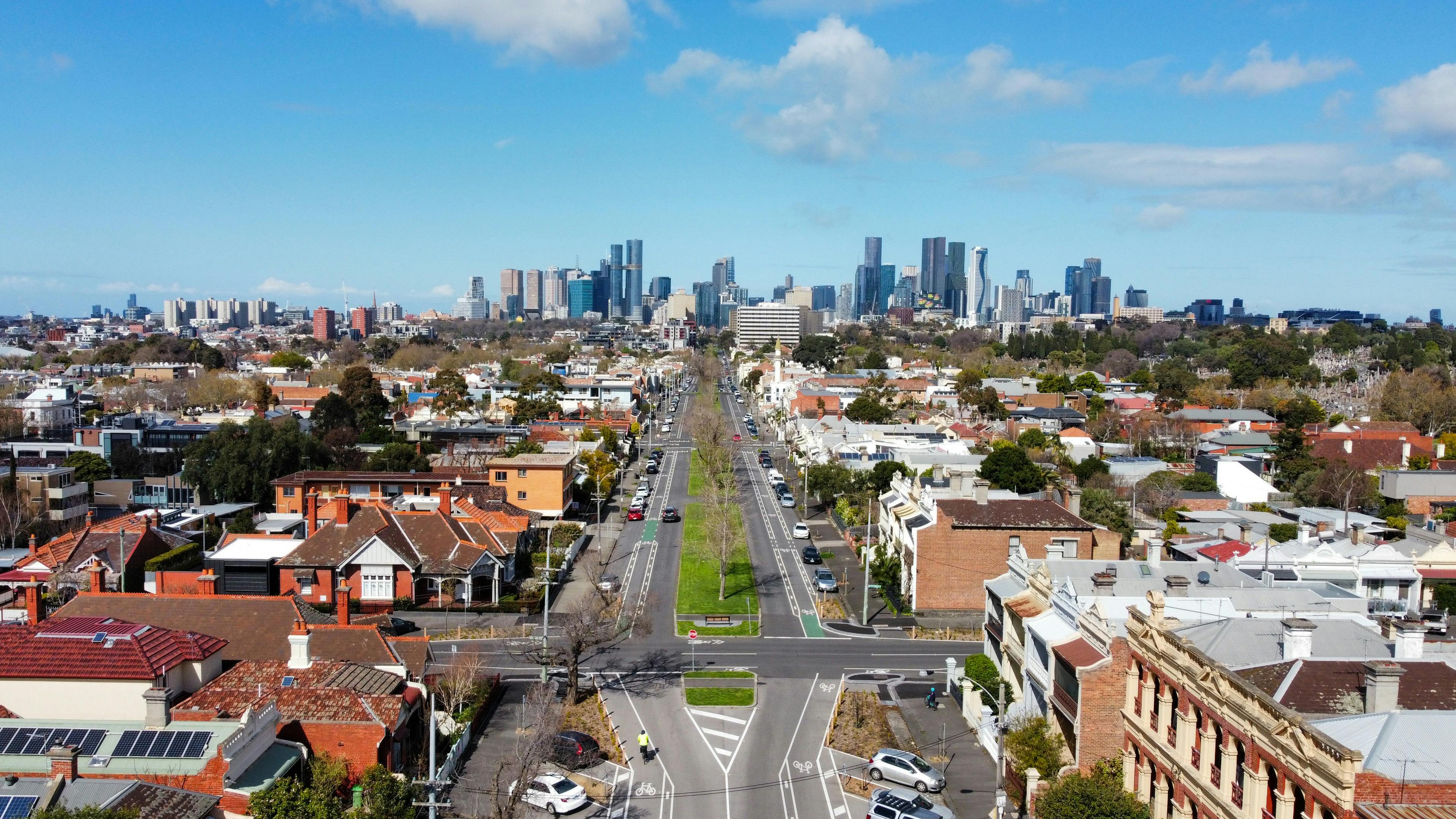
Start with what's genuinely true. Suburban and inner-fringe flexible office markets in Australia's major cities have grown meaningfully over the past three years, both in inventory and in tenant activity. Melbourne's inner-fringe market — covering Cremorne, Richmond, South Melbourne, Hawthorn and adjacent precincts — recorded approximately $476 million in transactions across 19 assets in 2025 alone, more than doubling activity from 2024 and delivering the strongest annual result in five years, according to Colliers' Office Middle Markets Australian Investment Review (Q1 2026).That's not a statistical blip. Double the transaction volume in a single year represents genuine capital conviction in suburban and fringe office markets, and it's backed by occupier activity: Colliers describes sub-500 sqm tenants — the small-team, agile businesses that make up the bulk of flexible office demand — achieving a 92% commitment rate across Melbourne's inner-fringe market over a 12-month period. Businesses are deciding, signing leases and moving in, at high rates.
The Rubberdesk data adds further texture. Nationally, flexible office supply grew 6.3% in Q3 2025 even as desk rates climbed — a "flight to quality" pattern where operators expanded inventory at the higher end of the market rather than adding budget stock. This pattern is consistent with a suburban market maturing, not just growing cheaply at the margins.
So the boom is real in the sense that it's happening, and capital is backing it.
What the Narrative Gets Wrong
Here's the part that most suburban coworking coverage omits: the CBD is fighting back, and it's winning some of those fights with financial incentives that suburban markets simply can't match.Cushman & Wakefield's analysis of Melbourne's fringe tenant activity found that 72% of tenants who moved from the fringe to the CBD did so for financial reasons — specifically, to capitalise on incentives exceeding 50% in high-quality CBD buildings. Read that again: almost three-quarters of fringe-to-CBD moves were pulled by CBD landlords offering to pay more than half the effective cost of occupancy through fit-out contributions, rent-free periods and other incentives.
This means the suburban migration story runs simultaneously with a CBD-incentive counter-pull that's large enough to move the majority of tenants who do switch directions. The narrative of "businesses choosing suburb over CBD" is true for the tenants who stay in suburban markets — but it's not the only story happening in the same market at the same time.
Cushman & Wakefield's broader Australian Office Outlook describes this as a "flight to centrality" — occupiers prioritising core CBD locations and consolidating into well-connected, high-quality hubs as more than 2 million square metres of prime office leases expire across Sydney and Melbourne between 2026 and 2028. Tenants are also choosing premium CBD buildings when the financial terms make that choice easier than staying put.
The Two Markets Running in Parallel
What the data actually shows is two separate markets operating simultaneously, not one trend replacing the other.Market 1: Sticky suburban tenants who stay. Colliers describes Melbourne's inner-fringe precincts as "sticky markets where tenant loyalty runs deep" — businesses drawn to Richmond, Cremorne and South Yarra for their lifestyle, community and transport amenity tend to renew and expand there rather than moving back to the CBD. The 92% commitment rate for sub-500 sqm fringe tenants supports this: when businesses find the right suburban space, they stay.
Market 2: Mobile tenants pulled by CBD incentives. When CBD landlords offer 50%-plus incentive packages to fringe tenants, some of those tenants move. They're not moving for the CBD's inherent appeal — they're moving because the financial terms have temporarily made a premium CBD address available at near-fringe cost. When those incentives normalise, this flow tends to reverse.
The suburban coworking boom is real for Market 1. The "CBD vs suburban" framing misses Market 2 almost entirely.

What the Flexible Office Data Adds
The Rubberdesk quarterly series provides a third lens that neither Colliers nor Cushman & Wakefield focus on: the specific flexible office market, as distinct from the broader traditional leasing market.In the flexible sector, the suburban growth story is cleaner — partly because the CBD incentive dynamic that pulls traditional tenants doesn't apply in the same way to coworking operators and their members, who are on month-to-month or short-term terms rather than 5-year leases. Flexible office tenants who find the right suburban coworking space don't have a strong reason to move to a CBD building offering fit-out incentives on long leases — they're optimising for different things.
The Q1 2026 Rubberdesk data shows the suburban/fringe flexible market growing not just in volume but in quality: the "flight to quality" pattern appears in both CBD and inner-suburban markets, with operators investing in premium amenity rather than adding basic stock. This matters because it suggests the suburban coworking market is maturing — moving from "cheaper than the CBD" to "genuinely premium in its own right" — which is a different and more durable value proposition.
The Richmond and Cremorne example crystallises this. Rubberdesk explicitly groups Richmond/Southlands alongside the Melbourne CBD in its higher desk-rate tier. A suburban flexible office market that commands CBD-comparable pricing isn't cheaper CBD space — it's a fully valued market in its own right.
So Is the Boom Real?
Yes, with two qualifications that the headline narrative tends to skip.Qualification 1: The suburban boom and the CBD counter-pull are happening simultaneously. Fringe markets are growing; so are CBD incentive packages designed to attract fringe tenants. Both trends are real. Understanding which one applies to your specific business requires knowing whether you're a sticky suburban tenant or a mobile one.
Qualification 2: "Suburban coworking is growing" doesn't mean "suburban coworking is cheaper than the CBD." The fastest-growing inner-suburban markets — Richmond, Cremorne, South Melbourne — are increasingly valued at or near CBD rates. The savings are real in markets like St Kilda Road and Hawthorn; they're not consistently present in Richmond.

What This Means for Your Business
If you're making a suburban vs CBD decision, the data suggests a more nuanced framing than the standard narrative provides.Don't assume suburban means cheaper. In Melbourne's most active inner-fringe precincts, the pricing gap with the CBD has narrowed or closed entirely. Check actual current listings before assuming a location advantage.
Do factor in the CBD incentive market. If you're a growing business approaching a lease renewal in the next 12–18 months, it's worth understanding what CBD landlords are currently offering in incentive packages — not to move necessarily, but to benchmark whether your renewal terms reflect what the broader market is doing.
If you value precinct community over cost, suburban markets deliver that durably. The stickiness data from Colliers is the strongest argument for suburban and fringe coworking: businesses that choose the right precinct tend to stay, and the networks and referrals built within those communities are a genuine business asset that doesn't show up in a desk rate comparison.
If you're in the flexible market specifically, the CBD incentive dynamic matters less to your decision than it does to traditional lease tenants. Compare the flexible options available in your shortlisted suburbs against real, current pricing — the year of quarterly desk rate tracking shows that this is a market where specific-suburb data tells a very different story to the national average.
Compare Flexible Office Options Across Australia
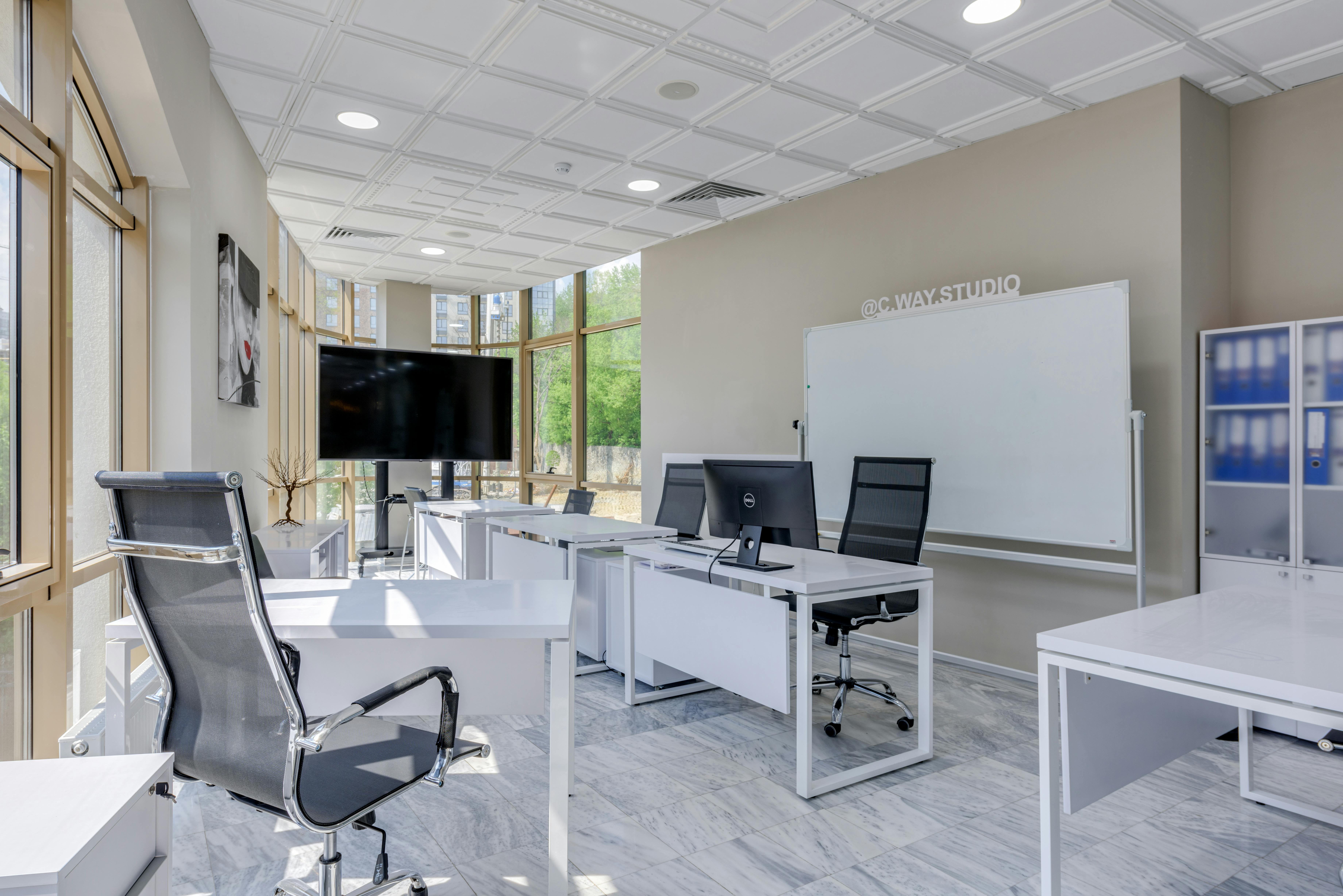
Whether you're weighing a CBD vs suburban move, or comparing specific inner-suburb precincts, the right starting point is real, current pricing rather than a market narrative.Browse coworking space across Australia on OfficeFlexFinder — with verified, up-to-date pricing across CBD and inner-suburban markets in every major city.
You can also explore:
- South Melbourne vs Richmond vs Hawthorn: comparing inner-Melbourne office precincts
- How to pick the right inner-Melbourne suburb for your office
- We tracked Rubberdesk's quarterly price guides for a year: here's where AUD desk rates actually moved
- The rise of suburban coworking: why businesses are relocating
- Why enterprise teams are switching to flex space in 2026
- Coworking space in Melbourne
About OfficeFlexFinder: We help Australian businesses, freelancers, and remote workers find and compare flexible office space — from hot desks to private offices and serviced suites — across every major city and region in Australia.
Arthur Truong
Content Editor
Office space specialist helping businesses find their perfect workspace.
