
Virtual Office vs Physical Office: Costs, Pros & Cons
Weighing up a virtual office against a physical office in Australia? We break down the true costs, genuine advantages, and honest limitations of each — so you can choose with confidence.
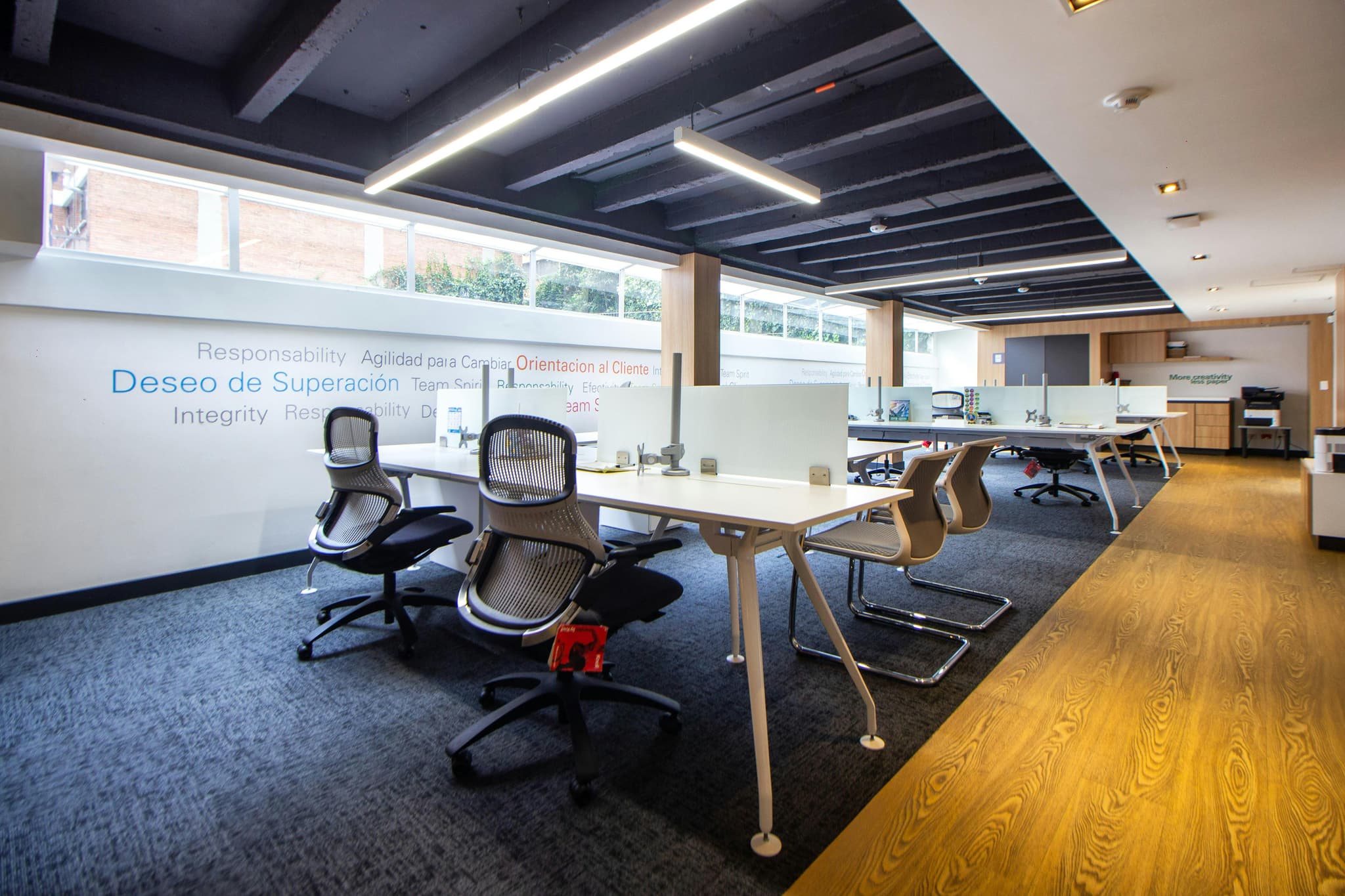
The choice between a virtual office and a physical office used to be simple: if you had a team, you had an office. If you were a freelancer, maybe you didn't. In 2026, that logic no longer holds. Hybrid work, distributed teams, and the maturation of flexible workspace options have made the decision genuinely nuanced — and worth thinking through carefully before committing either way.
This guide maps the real cost differences, the genuine advantages on both sides, and the honest limitations of each model. No promotional framing — just a clear comparison that helps you make the right call for how your business actually operates.
What We're Actually Comparing
Before the breakdown, a definition check — because loose use of the term "physical office" creates confusion.A virtual office gives your business a professional commercial address, mail and call handling, and on-demand access to physical workspace (meeting rooms, day offices, coworking desks) — without a permanent physical footprint. Think of it as getting all the perks of a prestigious business address without actually having to rent physical office space.
A physical office in this comparison refers to any arrangement where your team has a dedicated, regularly occupied workspace — whether that's a traditional commercial lease, a serviced office suite, or a private office within a coworking building. The defining feature is that your team shows up to a specific space as their primary workplace.
The comparison, then, is between operating without a dedicated physical workspace (virtual) and operating with one (physical) — and everything that flows from that structural difference.

The Cost Comparison: What Each Model Actually Costs
Cost is often the first factor businesses consider, and the contrast between virtual and physical offices is substantial. A physical office requires significant upfront and ongoing investment. Beyond rent, businesses must account for long-term lease commitments, utilities, maintenance, furniture, insurance, cleaning, internet, and office management.Virtual Office Costs in Australia (2026)
Virtual office costs vary based on location, services, and provider, with basic packages starting as low as $19/month offering a professional address and mail handling. A full-service plan with a live receptionist and meeting room credits runs $180–$400+/month at premium Australian operators.The full cost spectrum:
| Plan Type | Monthly Cost (AUD) | What's Included |
|---|---|---|
| Address only | $19–$69/month | Street address, mail receipt |
| Address + phone | $70–$180/month | Address, local number, call forwarding/answering |
| Full virtual office | $180–$400+/month | Address, dedicated receptionist, meeting room credits, coworking access |
Key extras that add to the base cost: physical mail forwarding (postage + handling fee), meeting room overages beyond included hours ($30–$100/hour), and setup fees of $100–$200 at some providers. A full virtual office plan consolidates services that would otherwise cost significantly more when purchased separately.
One practical example from Servcorp's Australian listing: you can register your business address at 100 Mount Street in North Sydney from $130 per month, or 263 William Street in Melbourne CBD from $140 per month — prestige addresses at a small fraction of the cost of physically occupying those buildings.
Physical Office Costs in Australia (2026)
Physical office costs span an enormous range depending on the model — traditional lease, serviced office, or private office within a coworking building — but the structural cost components are consistent.For a traditional office lease (10-person team, Sydney CBD):
| Cost Item | Annual Estimate |
|---|---|
| Base rent (100m², ~$1,000/m²) | $100,000 |
| Outgoings (est. 20% of rent) | $20,000 |
| Fit-out amortised over 3 years | $80,000–$200,000 |
| Utilities | $12,000–$18,000 |
| Cleaning | $18,000–$36,000 |
| IT infrastructure (year 1) | $10,000–$30,000 |
| Total annual cost (est.) | $240,000–$404,000 |
For a serviced or coworking private office (10-person team):
- Sydney CBD: $800–$1,100/desk/month → $96,000–$132,000/year for 10 desks, all-inclusive
- Melbourne CBD: $700–$900/desk/month → $84,000–$108,000/year for 10 desks, all-inclusive
- Brisbane: $500–$700/desk/month → $60,000–$84,000/year for 10 desks, all-inclusive
Virtual offices operate on a fundamentally different cost structure. Instead of large fixed expenses, businesses pay a predictable monthly fee for essential services such as a professional business address, mail handling, phone answering, and access to meeting rooms when required. There is no long-term lease and no responsibility for maintenance or utilities.

Where Virtual Offices Win
1. Cost — by an enormous margin
For businesses that genuinely don't need a daily physical workspace, the virtual office is the most economical option available by a wide margin. A full-service plan at $300/month — address, receptionist, meeting room credits — costs less in a year than a single month's rent on a small Sydney CBD office suite. Virtual office solutions offer dramatic cost savings by eliminating overhead costs. Small business owners can avoid office equipment expenses, utilities, maintenance, and all those hidden costs that add up fast with traditional office space.2. Prestigious address without premium occupancy costs
The most commonly cited advantage of a virtual office is the ability to attach a credible commercial address to your business without paying to physically occupy the building. A Collins Street or Martin Place address on your business card, website, and ASIC registration costs a fraction of what a physical tenancy in the same building would require — and for many clients and counterparties, the address is what matters, not whether your team physically sits there daily.3. Speed to market in new locations
A business can establish multiple locations quickly without duplicating infrastructure or staffing. This is especially valuable for companies expanding into new cities or countries, as it allows them to present a local presence while maintaining centralised operations. For a Sydney-based business testing the Melbourne market, a virtual office address in Melbourne CBD costs $130–$200/month to establish — versus months of lease negotiation, fit-out capital, and management overhead for a physical office.4. Compliance and legal address requirements
Virtual office addresses in Australia are fully compliant with ASIC requirements for registered office use. You need a physical address (not a digital-only mailbox) based in Australia. ASIC accepts virtual addresses — you just can't use a PO Box to register your business with them, or an overseas address. For sole traders and small companies that work from home and simply need a compliant, non-residential ASIC address, a virtual office is the cleanest solution.5. Flexibility and zero exit liability
Month-to-month virtual office plans carry no make-good clause, no reinstatement requirements, and no solicitor fees to exit. The business risk at sign-up is minimal, and the exit risk is zero. That cannot be said of any form of physical office tenancy.Where Physical Offices Win
1. Collaboration and team culture
The honest case for a physical office in 2026 is not the one most commonly made. It isn't about productivity (the evidence on that is mixed). It isn't about supervision. It is about the quality of human interaction that happens when people share a physical space — the spontaneous conversations, the informal knowledge transfer, the cultural cues that are genuinely harder to replicate across video calls and messaging apps.From an employer's perspective, having a physical office space enables quick communication, collaboration and develops better connections with the team. For businesses where team cohesion, creative collaboration, or mentoring are central to how value is created, a physical office provides an environment that a virtual address simply cannot.
2. Client-facing credibility — when it genuinely matters
For some industries — professional services, healthcare, legal, financial advice, trades — clients expect a physical location they can visit. A virtual address on a letterhead is legally and administratively valid; a client who wants to come in and meet with you in person is a different matter. For businesses with employees working collaboratively or meeting clients regularly, a private office provides the right balance of privacy and professionalism.The Tier 3 virtual office plan addresses this partially through included meeting room credits, but if client meetings are frequent — multiple times per week — the cost of per-visit room bookings will often exceed the cost of a physical office subscription. The arithmetic changes depending on meeting frequency.
3. Data security and compliance for regulated industries
Businesses that handle sensitive personal data, regulated financial information, or legally privileged communications operate under compliance frameworks that shared or virtual environments don't always satisfy. Legal, healthcare, and financial services firms often require dedicated, lockable premises with controlled access and a documented chain of custody for physical materials. A virtual address doesn't provide that — a private physical office does.4. Role requirements that don't work remotely
Some functions simply require a physical space: laboratory work, specialist hardware, physical inventory, high-spec audio or video production, or security environments requiring controlled physical access. For businesses with these requirements, the virtual office is irrelevant — the work dictates the space.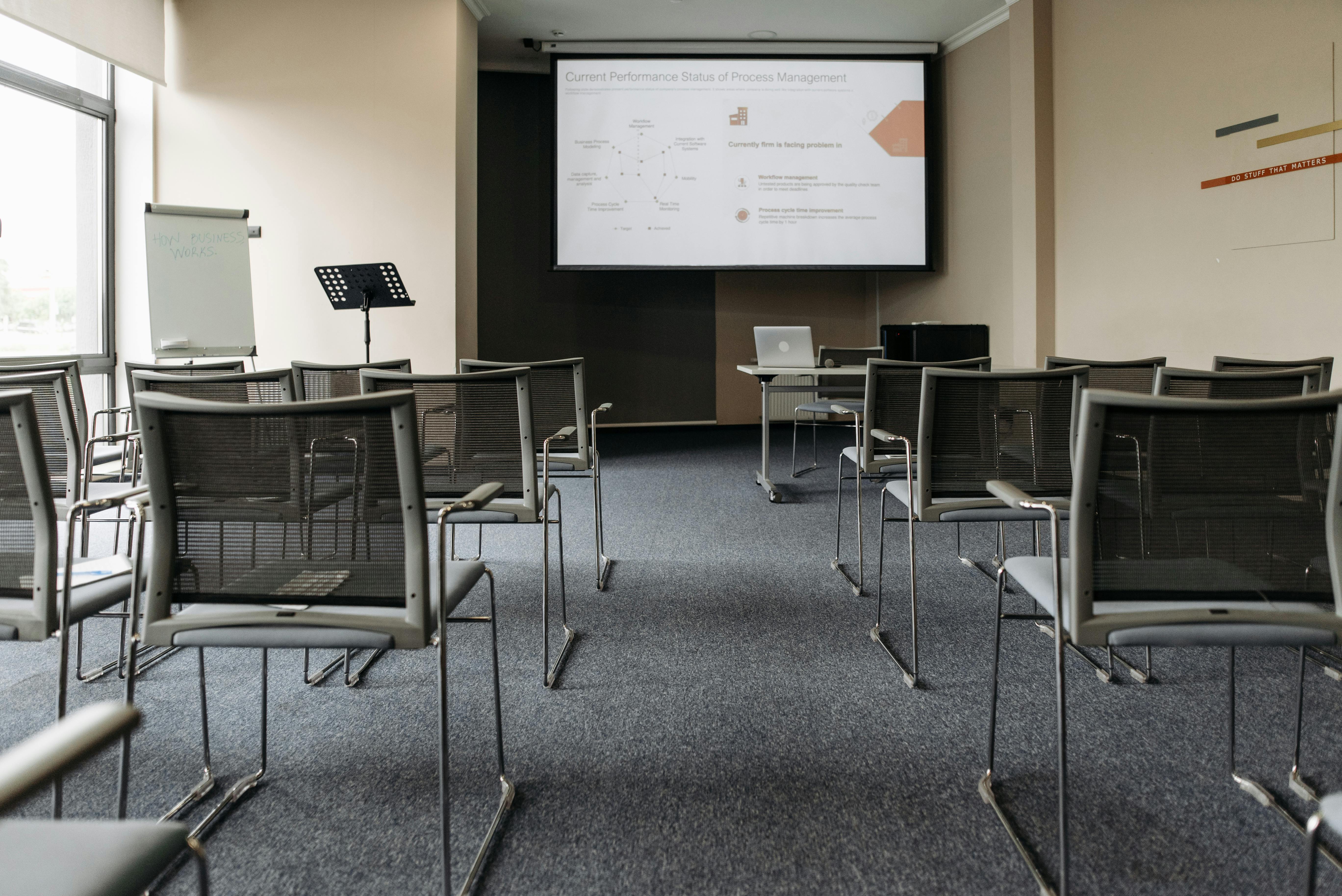
The Honest Limitations of Each Model
Virtual office limitations
Despite having a physical address, virtual offices do not provide a dedicated workspace or meeting rooms, limiting face-to-face interactions with clients or colleagues — unless your virtual office provider includes complimentary access to coworking and shared office spaces.Beyond workspace access, there is the question of team coherence. If your entire team works remotely and you're operating a virtual office, trying to replicate a physical office in a virtual space may be an unnecessary cost layer. If your entire team works remotely, trying to replicate a physical office in a virtual space might be a waste of money — the value of a virtual office is strongest when it's filling a specific gap (address, compliance, client credibility) rather than serving as a substitute for genuine team infrastructure.
Receptionist quality is also a real variable. Not all virtual office providers are equal. Some operate out of retail mail stores. A $20 per month address at a mail store is not the same as a $100 per month address at a staffed office. You are paying for professionalism, presence, and trained staff who represent your business appropriately when a client calls.
Physical office limitations
The physical office's core limitation in 2026 is cost inflexibility. The expenses are fixed regardless of how frequently the space is used. In hybrid or remote-first environments, this often results in paying for underutilised space — a structural inefficiency that compounds across months and years of a traditional lease term.Exit liability is the other material risk. Make-good obligations can run to tens of thousands of dollars at the end of a commercial lease. A virtual office exits with a month's notice and no reinstatement cost.
Which Model Fits Which Business?
Virtual office is likely the right choice if:- You and/or your team work primarily remotely or from home
- You need a professional business address and ASIC-compliant registered office
- You occasionally meet clients but not daily
- You're testing a new city or market without committing to physical infrastructure
- Cost control is a priority and your work doesn't require daily physical workspace
- Your team collaborates in person regularly and that interaction drives business outcomes
- You have frequent client visits that require a professional, dedicated environment
- Your industry involves compliance requirements for physical premises
- Your work requires specialist equipment, controlled access, or physical inventory
- Team culture and cohesion are central to how you recruit and retain people
Ready to Explore Virtual Office Options?
If a virtual office is the right fit — or worth exploring — OfficeFlexFinder lists and compares virtual office plans across Australia, from address-only entry plans to full-service packages with receptionist and meeting room credits. All listings include verified pricing and transparent inclusions.You can also explore:
- Virtual office pricing in Australia: tier breakdown
- What is a hot desk? Everything you need to know
- Serviced office vs coworking: which is right for your team?
- 10 questions to ask before signing a flexible office lease
About OfficeFlexFinder: We help Australian businesses, freelancers, and remote workers find and compare flexible office space — from virtual offices to hot desks, private offices, and serviced suites — across every major city and region in Australia.
Arthur Truong
Content Editor
Office space specialist helping businesses find their perfect workspace.
